Updated October 13, 2026
There are five main ways to travel from Narita International Airport to Shibuya: highway bus, Skyliner, regular Keisei Line trains, Narita Express, and taxi.
1. Highway Bus (Airport Limousine Bus)
2. Train ① Keisei Skyliner (All-Reserved Limited Express)
3. Train ② Keisei Line (Access Express, Rapid Limited Express, etc.)
4. Train ③ JR Narita Express limited express
5. Taxi
Transportation Options Between Narita Airport and Central Tokyo
1. Highway Bus (Airport Limousine Bus)
Direct bus services connect Narita Airport with major stations such as Shinjuku, Shibuya, and Tokyo, as well as major hotels, suburban areas, and regional cities.
Bus stops are also a short walk from the arrivals lobby, making this a convenient option if you have large luggage such as suitcases.
Recommended for travelers with lots of luggage, those who want to make the most of their time, and first-time visitors to Tokyo.
2. Train ① Keisei Skyliner (All-Reserved Limited Express)
This limited express train, with reserved seating throughout, connects Narita Airport with Nippori and Ueno (Keisei Ueno) in approximately 40 minutes.
During the day, trains generally run about every 20 minutes.
Recommended if speed and comfort are your priorities.
3. Train ② Keisei Line (Access Express, Rapid Limited Express, etc.)
These regular trains connect Narita Airport with stations such as Nippori and Keisei Ueno. To reach Shibuya, you will need to transfer to a JR train at Nippori or another station.
The journey takes longer than the Skyliner, but fares are more affordable.
Recommended for budget-conscious travelers.
4. Train ③ JR Narita Express (All-Reserved Limited Express)
Operated by JR East, this all-reserved limited express connects Narita Airport with Tokyo, Shinagawa, Shibuya, Shinjuku, and other major stations.
Recommended for travelers who want to reach Shibuya without transfers and prefer a predictable journey time.
5. Taxi
Many taxis wait at the airport, so you can take one to your destination without booking in advance. In addition to regular metered taxis, fixed-fare airport taxis are available without reservations.
The fixed taxi fare from Narita Airport to the Shibuya area is approximately ¥32,000, plus expressway tolls and other charges.
*Grab is not available in Japan. Uber is available as a taxi-hailing app (Uber Taxi), and you can also use the Japanese taxi app GO.
Tokyo’s Most Popular Tourist Destinations
According to the Tokyo Metropolitan Government’s 2025 Survey of Foreign Visitor Behavior by Country and Region, the most visited areas in Tokyo among international travelers were as follows.
Most-Visited Destinations
1st: Shibuya (60.3%)
2nd: Ginza (54.1%)
3rd: Tokyo Station Area, Marunouchi, and Nihonbashi (51.8%)
Shibuya has ranked first for four consecutive years since 2022, making it a particularly popular area among international visitors.
Source: Tokyo Metropolitan Government, 2025 Survey of Foreign Visitor Behavior by Country and Region
So why not head straight to Shibuya, one of Tokyo’s most popular destinations, when you arrive at Narita Airport?
Escape the heat in Tokyo!
If you’re looking for some ideas to keep cool and to kill time around Tokyo, there are plenty of spaces near Shibuya. Plus–cooler climates like Kamikochi and Kusatsu can be reached by bus directly from Shibuya!

Comparing Transportation Options from Narita Airport to Shibuya
| Transportation | Travel Time | Transfers | Fare | Wi-Fi / Power Outlets | Boarding Location |
|---|---|---|---|---|---|
| Highway Bus Official Website | 1 hr 40 min | 0 | ¥3,600 | Available | Arrivals Lobby T1 Bus Stop 10 T2 Bus Stop 17 T3 Bus Stop 9 |
| Skyliner Official Website | 1 hr 30 min | 1 | Approx. ¥2,800 | Available | Basement Level There is no train station at T3; board at T2. |
| Regular Trains | 1 hr 40 min | 1–2 | Approx. ¥1,300–1,500 | Not available | Basement Level There is no train station at T3; board at T2. |
| Narita Express Official Website | 1 hr 20 min | 0 | ¥3,330 | Available | Basement Level There is no train station at T3; board at T2. |
| Taxi | 1 hr 30 min | 0 | Approx. ¥32,000 + expressway tolls, etc. | Not available | Arrivals Lobby |
My Airport Limousine Bus Experience: Narita Airport to Shibuya
Early in the morning, flights arrive at Narita Airport one after another from airports such as Bangkok’s Suvarnabhumi, Ho Chi Minh City’s Tan Son Nhat, and Singapore’s Changi, having departed late the previous night.
My flight from Bangkok also reached Narita after about six hours. It was still only 8:00 a.m. in Japan.
After a flight of around six hours, I was a little short on sleep. I got off the plane, passed through immigration, collected my luggage, and cleared customs, reaching the Terminal 1 (T1) arrivals lobby safely before 9:00 a.m.
Should I take a bus, train, or taxi to Shibuya, where I was staying?
I wanted to get a little more sleep and had lots of luggage, so I decided to take the highway bus (Airport Limousine Bus), which boards just outside the arrivals lobby and goes directly to Shibuya.
As the photos show, the highway bus ticket counter was directly in front of me when I entered the arrivals lobby.
Whether you arrive at the North Wing or South Wing of Narita Airport Terminal 1 (T1), the counter is right in front of you.
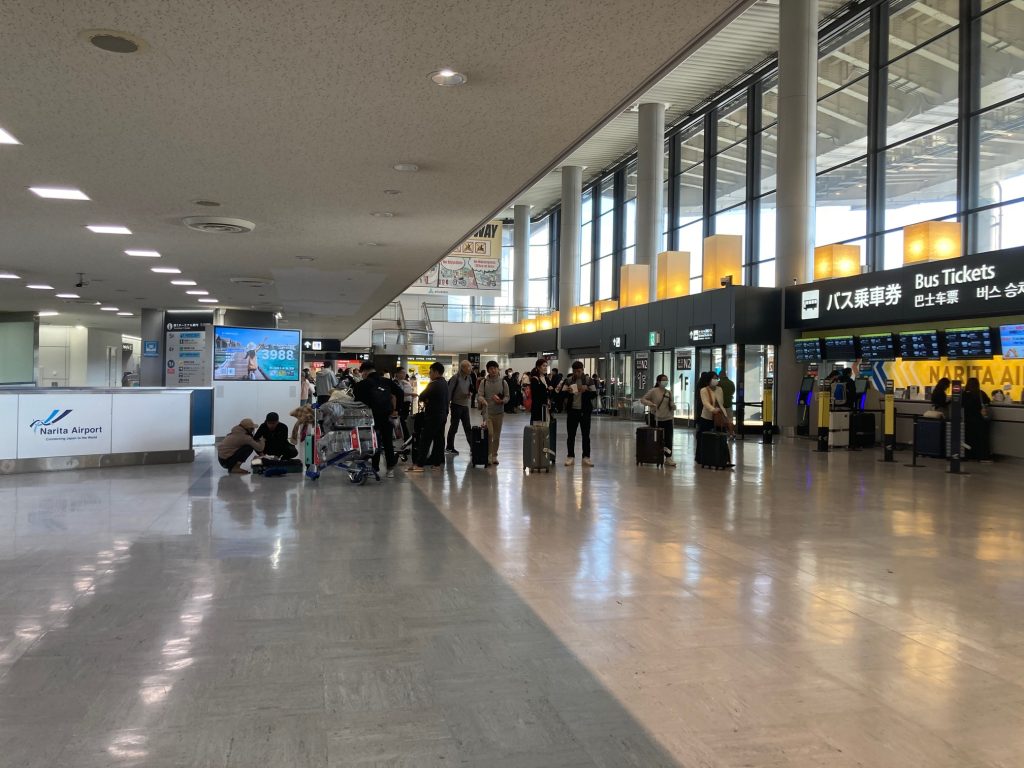

I immediately bought a ticket for the highway bus to Shibuya. Luckily, there was a departure at 9:20 a.m.
*
Narita Airport Terminal 3 (T3)
↓
Terminal 2 (T2)
↓
Terminal 1 (T1)
↓
Shibuya Station (Shibuya Fukuras)
↓
Cerulean Tower Tokyu Hotel
↓
Shibuya Mark City (Shibuya Excel Hotel Tokyu), in that order.
Highway bus tickets can be purchased at staffed counters or ticket machines. The machines offer English, Korean, and Chinese in addition to Japanese, which is very convenient. I was also able to pay by credit card.
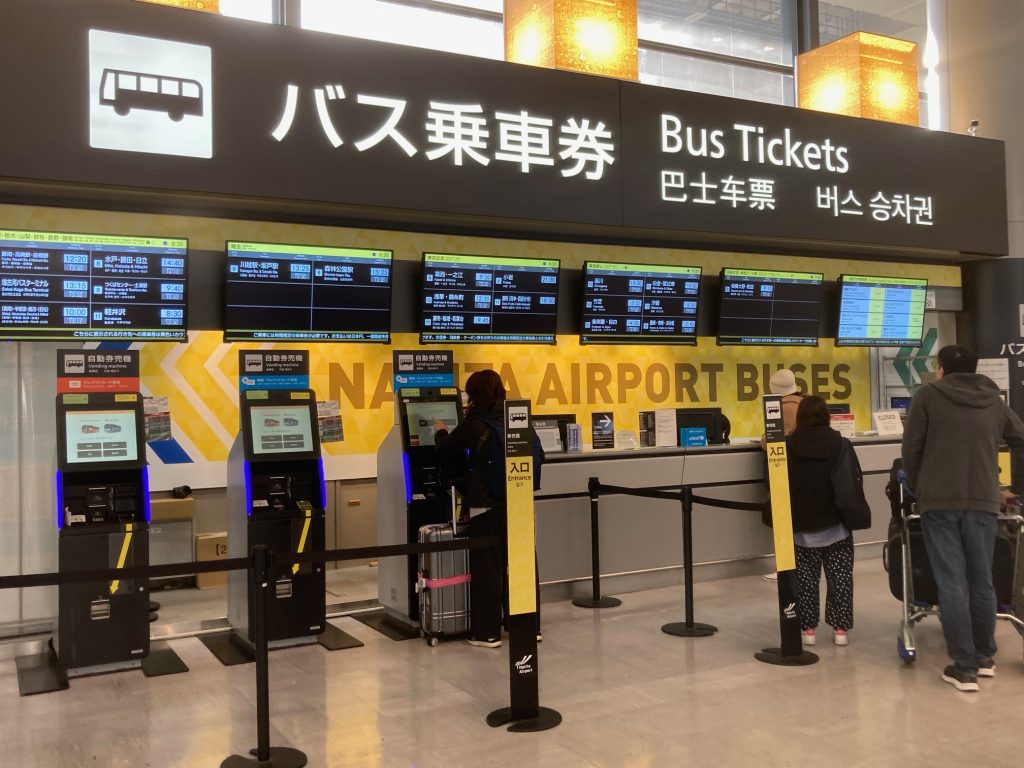
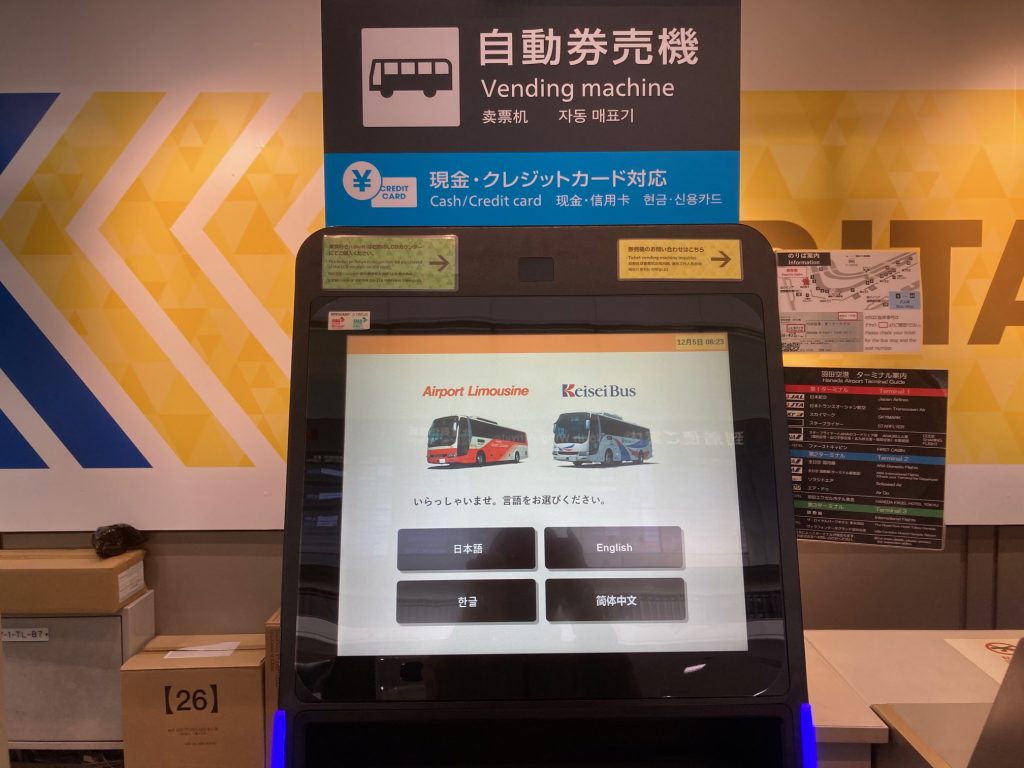
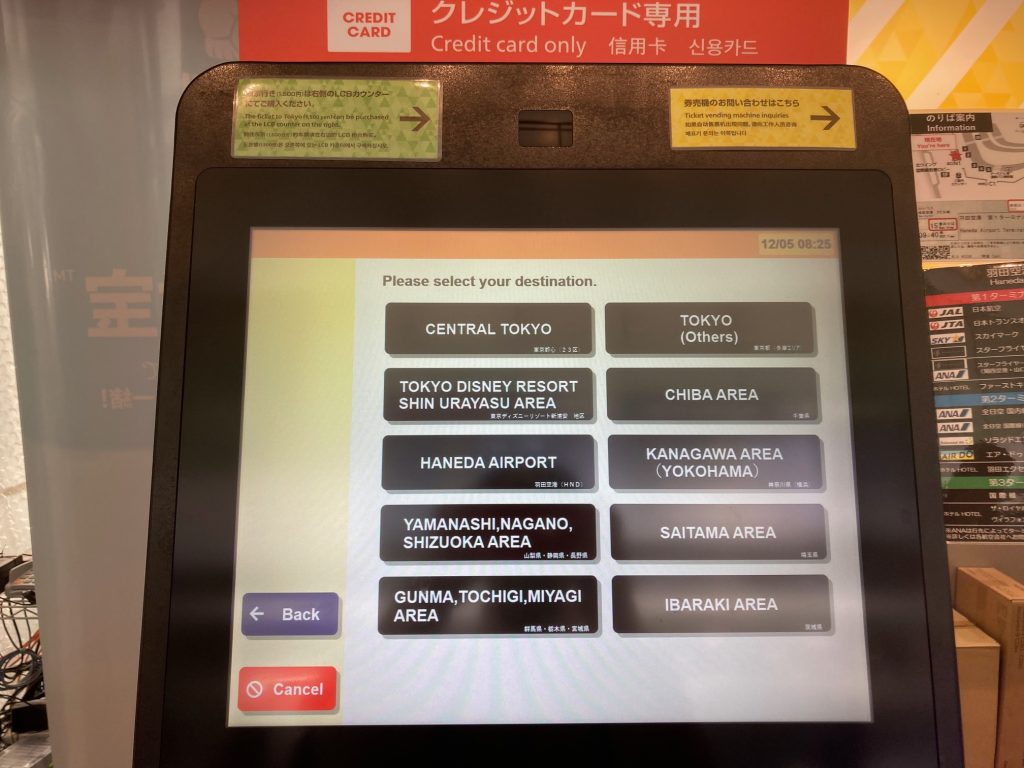
With my ticket in hand, I headed outside the arrivals lobby.
I made my way to Bus Stop 10 at Terminal 1, where the highway bus to Shibuya departs.
If you arrive at the North Wing, exit through North Exit (N2), where you will find highway bus stop 1. Bus Stop 10 for Shibuya is about a two-minute walk along the road.
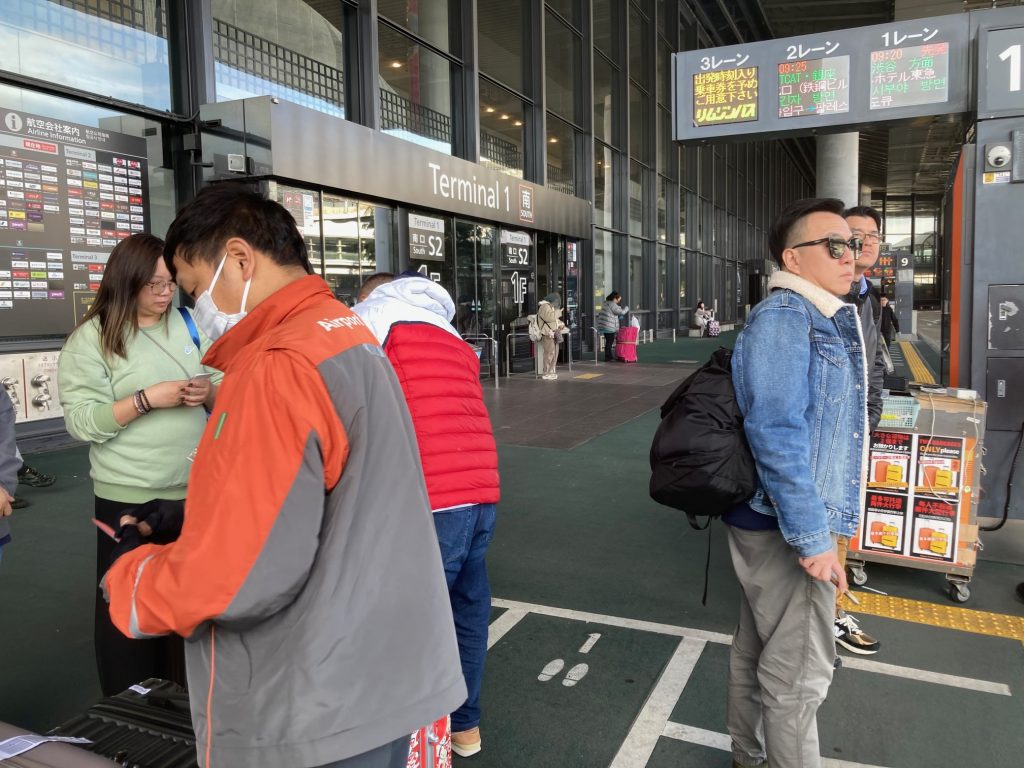
If you arrive at the South Wing, Bus Stop 10 is directly outside South Exit (S2). (The overall T1 bus stop map makes this easier to understand.)
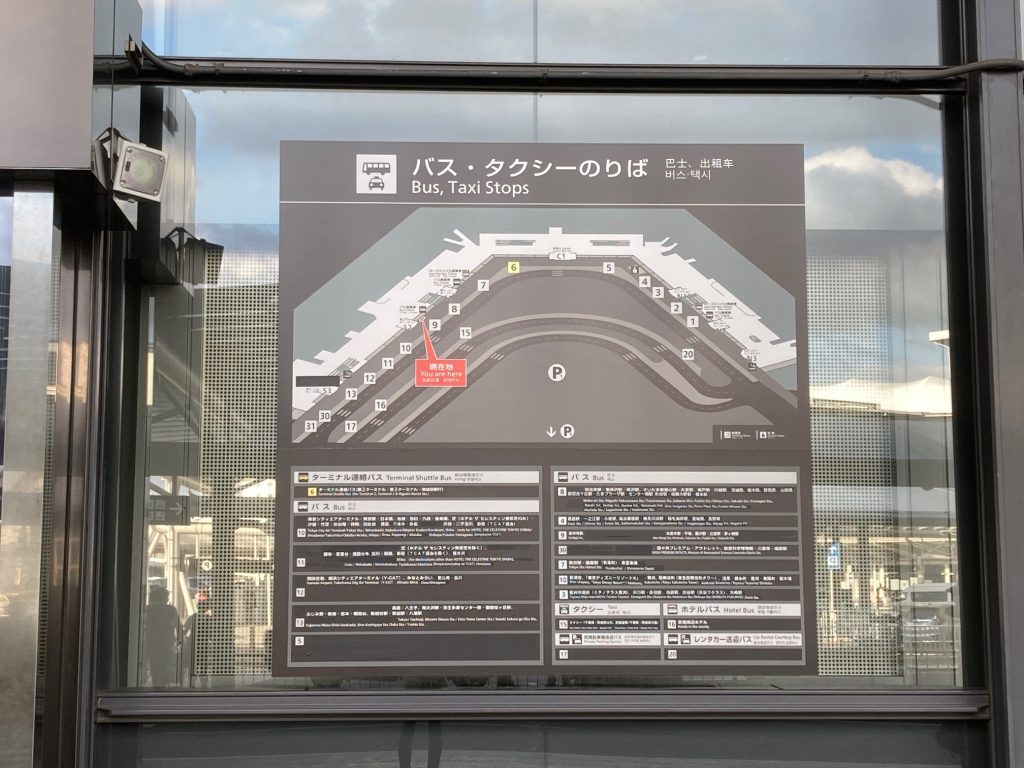
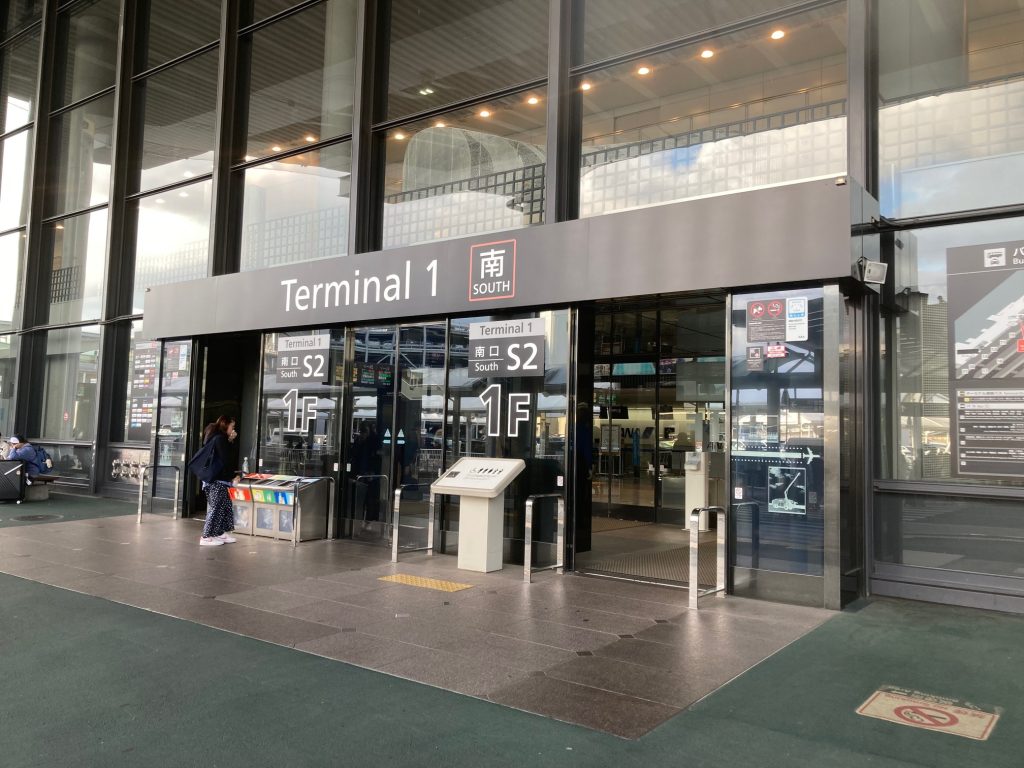
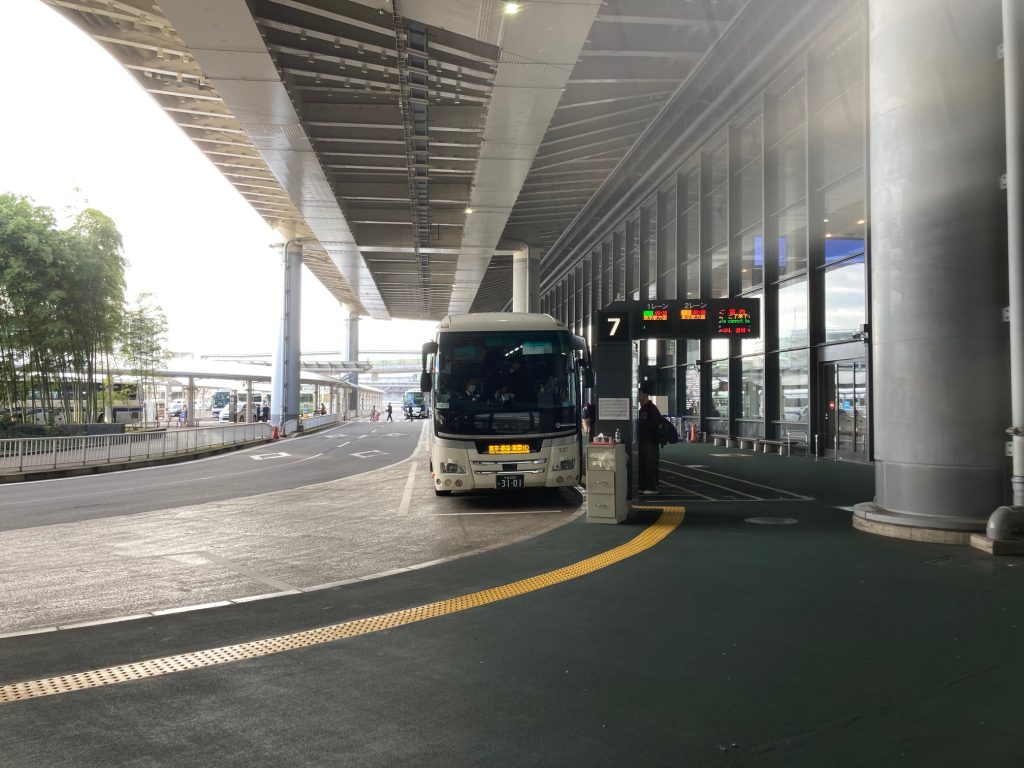
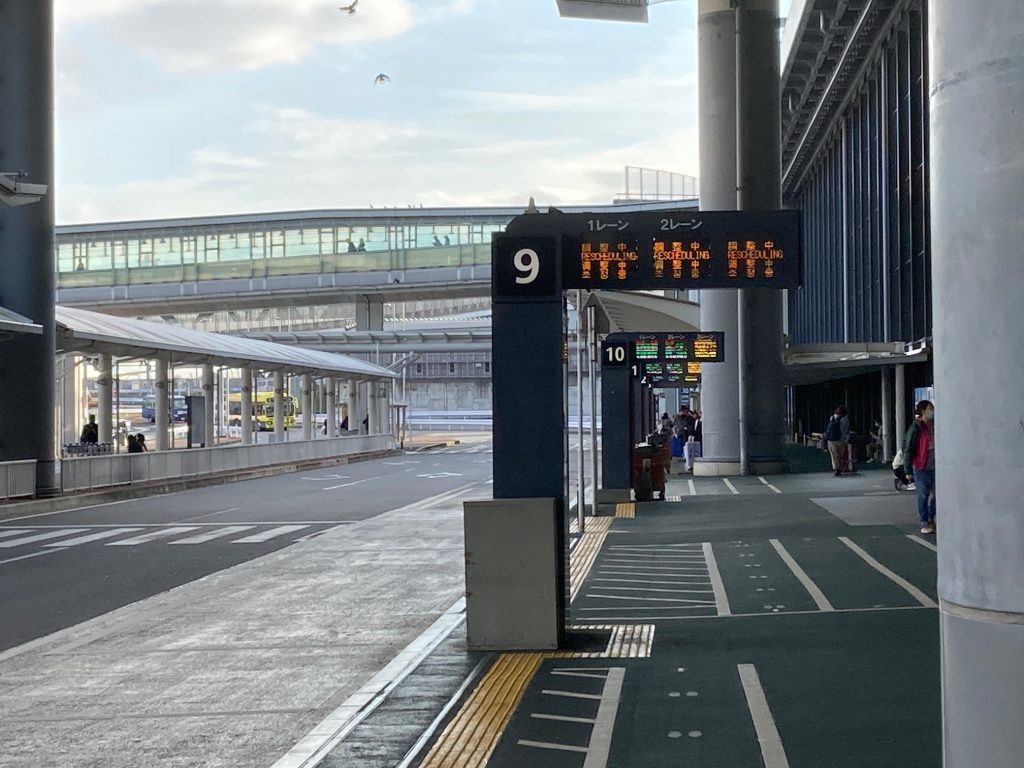
While I waited at Terminal 1 Bus Stop 10 for the Shibuya bus, more and more people began lining up.
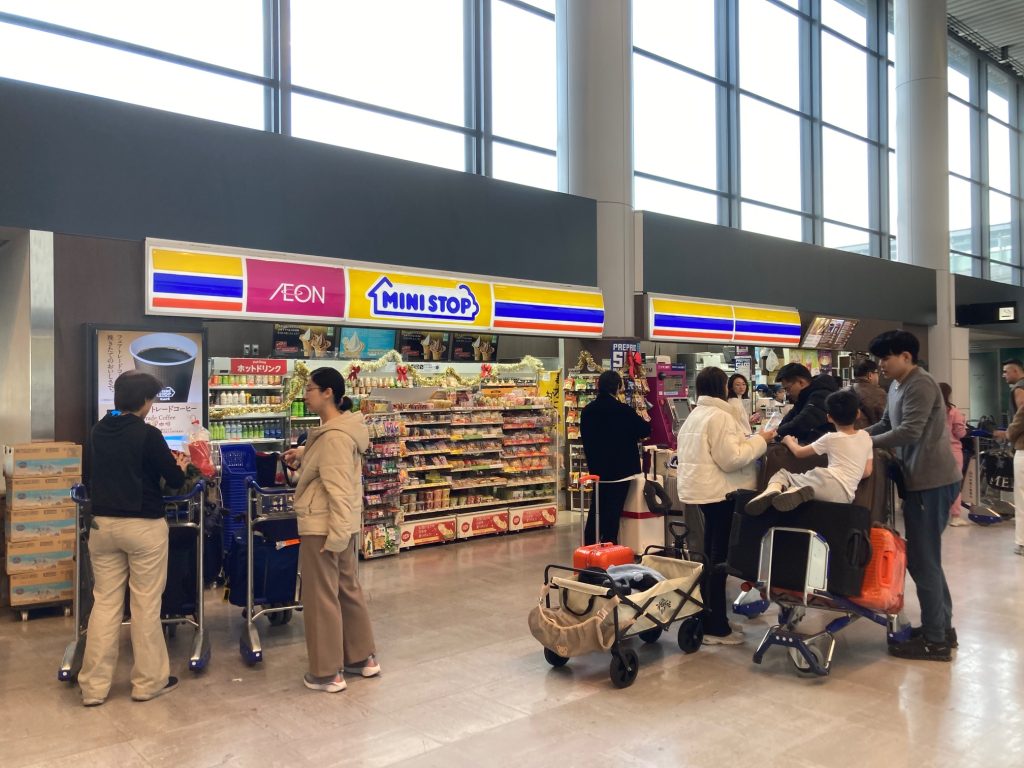
Incidentally, the photo on the left shows a convenience store in the South Wing arrivals lobby.
It’s a good place to pick up water or a snack before boarding!
Credit cards are accepted here too, so you don’t need to have Japanese yen on hand.
The tourist information center at Shibuya Fukuras Bus Terminal is a convenient place to exchange money into yen.
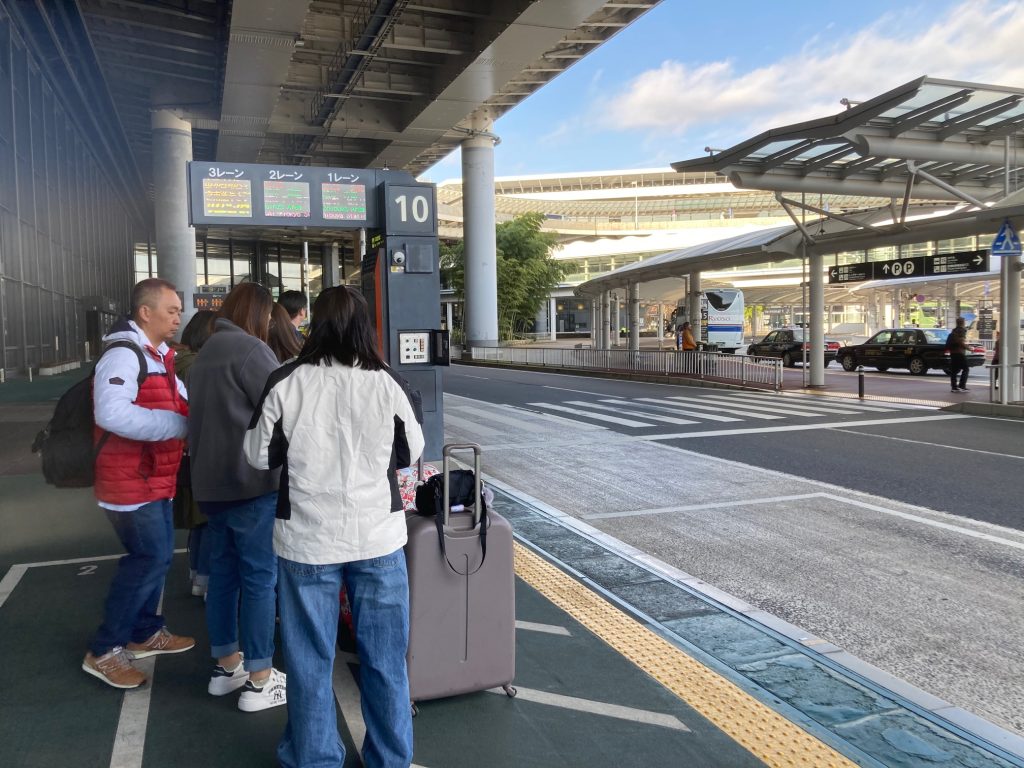
As the line grew, I thought, “Wow, so many people are taking the bus to Shibuya!” Then I noticed staff members going around asking passengers where they were headed.
It turned out that Bus Stop 10 serves both Shibuya-bound and Tokyo Station-bound buses. Staff were separating passengers into two lines: one for the earlier Shibuya bus and another for the later Tokyo Station bus.
When staff ask your destination, just say “Shibuya,” and they’ll direct you to the correct line.
Because the Shibuya bus arrives first, staff lined up checked suitcases closer to the road.
I was able to store my suitcase in the bus’s luggage compartment, making it easy to travel with large bags.
(As shown in the photo on the right, passengers form two lines. The line nearest the road is for the Shibuya bus, which departs first.)
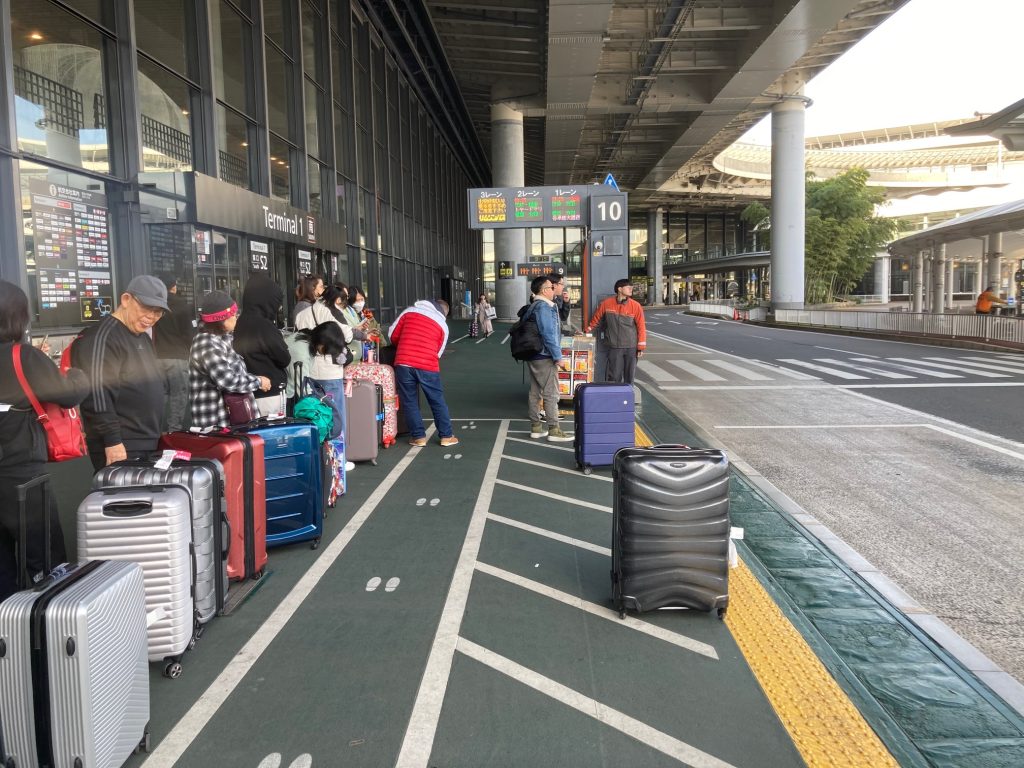
9:18 a.m.
The highway bus to Shibuya pulled into Bus Stop 10.
Staff loaded the suitcases waiting by the roadside into the bus’s luggage compartment, so I boarded with just my carry-on bag.
Seating is unreserved. Passengers who boarded at T3 and T2 were already seated, so I took an available seat.
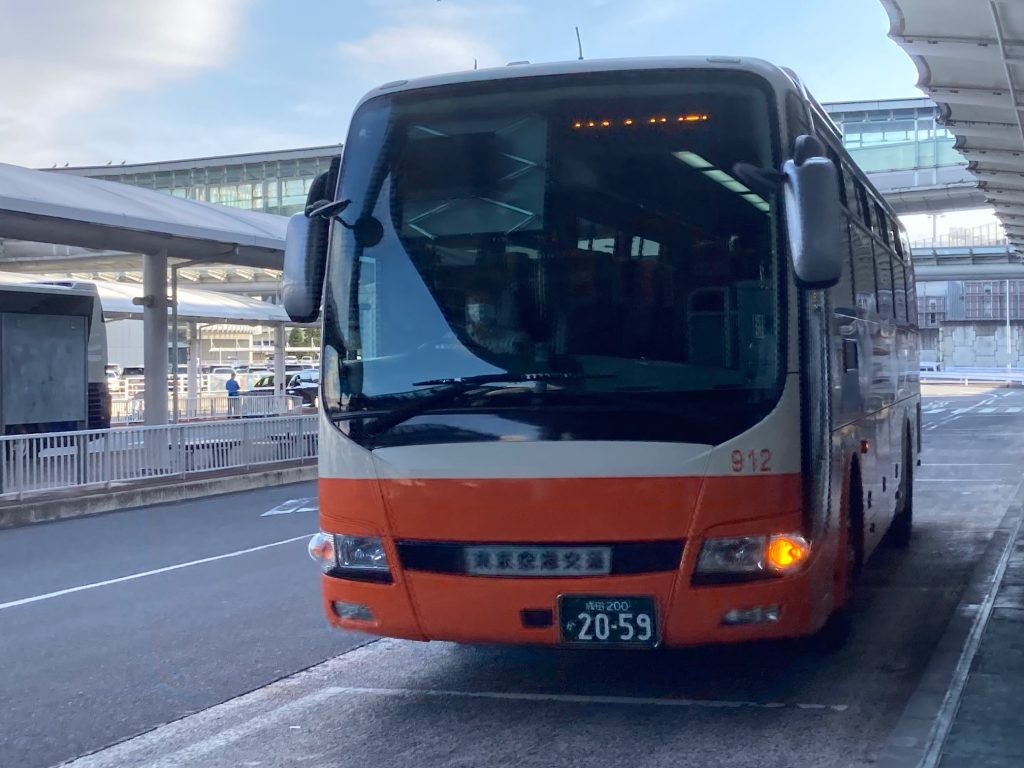
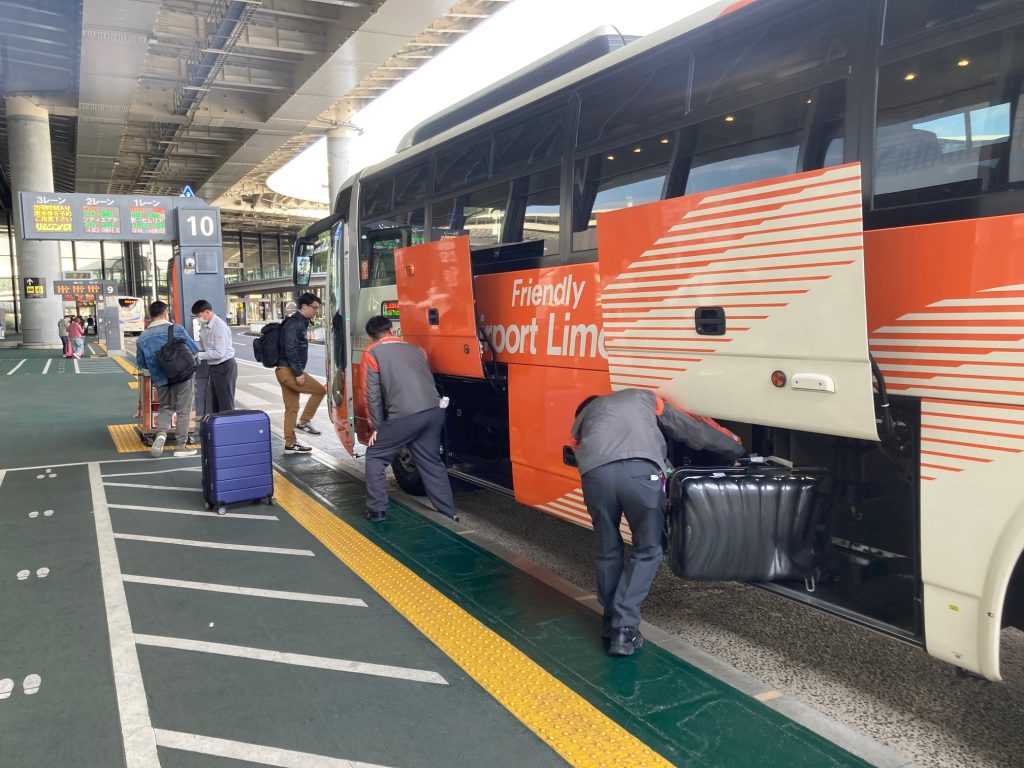
9:21 a.m.
We departed one minute behind schedule.
The bus had Wi-Fi and a restroom, but since I was short on sleep, the gentle motion soon lulled me into a deep sleep. There were also power outlets, so I charged my phone before dozing off.

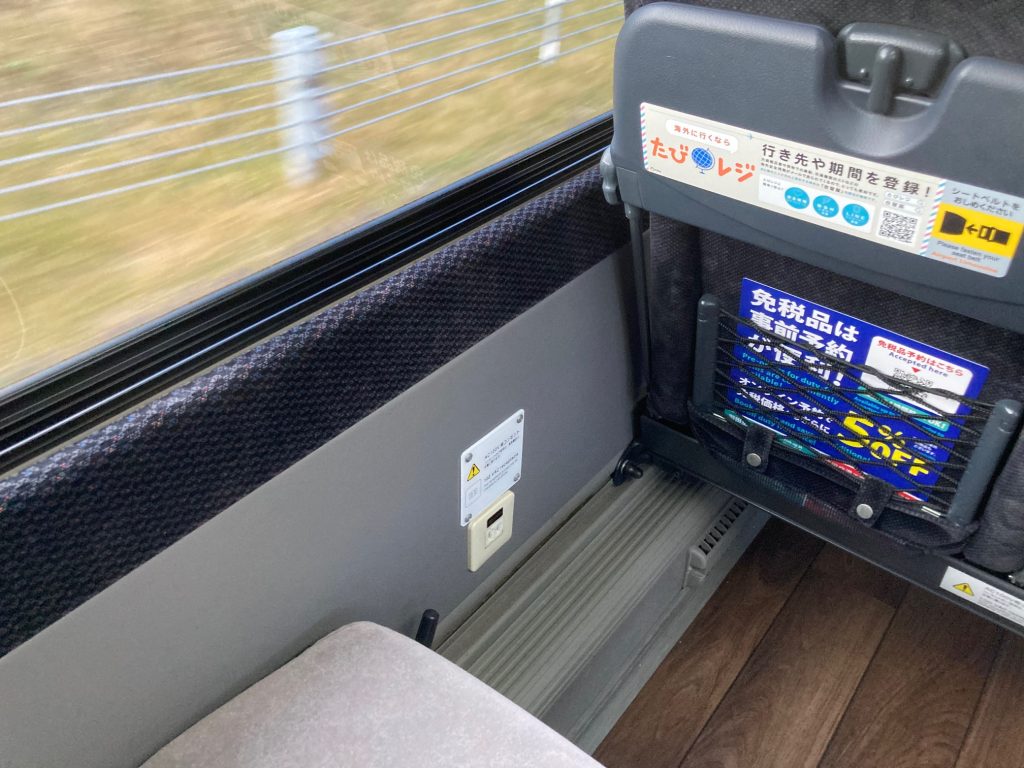
10:30 a.m.
An announcement woke me up.
Apparently, we were about to arrive in Shibuya.
10:40 a.m.
We encountered almost no traffic and arrived at Shibuya Fukuras Bus Terminal, right in front of Shibuya Station, at around 10:40 a.m.—an impressive 15 minutes ahead of schedule!
The ride was so comfortable that I slept soundly on the bus. Although I’d been tired, I felt much more refreshed. Being able to rest while traveling is a real advantage of taking the highway bus!
We got off at Shibuya Fukuras Bus Terminal, along with most of the other passengers.
The bus then continues to Cerulean Tower Tokyu Hotel → Shibuya Mark City (Shibuya Excel Hotel Tokyu).
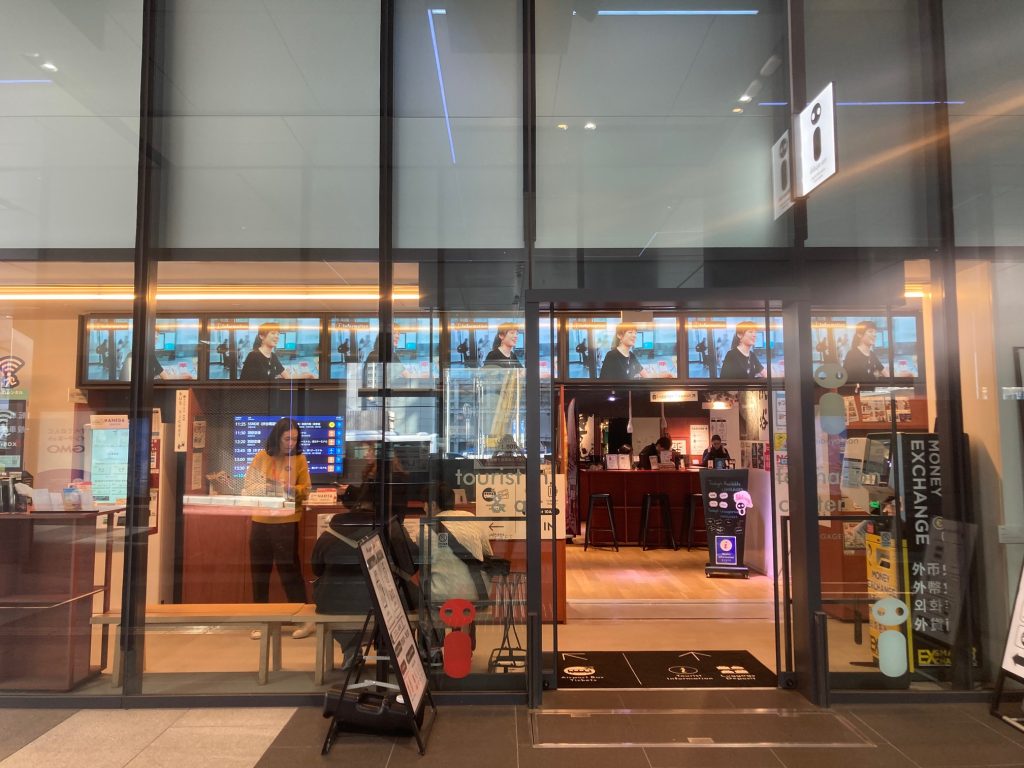
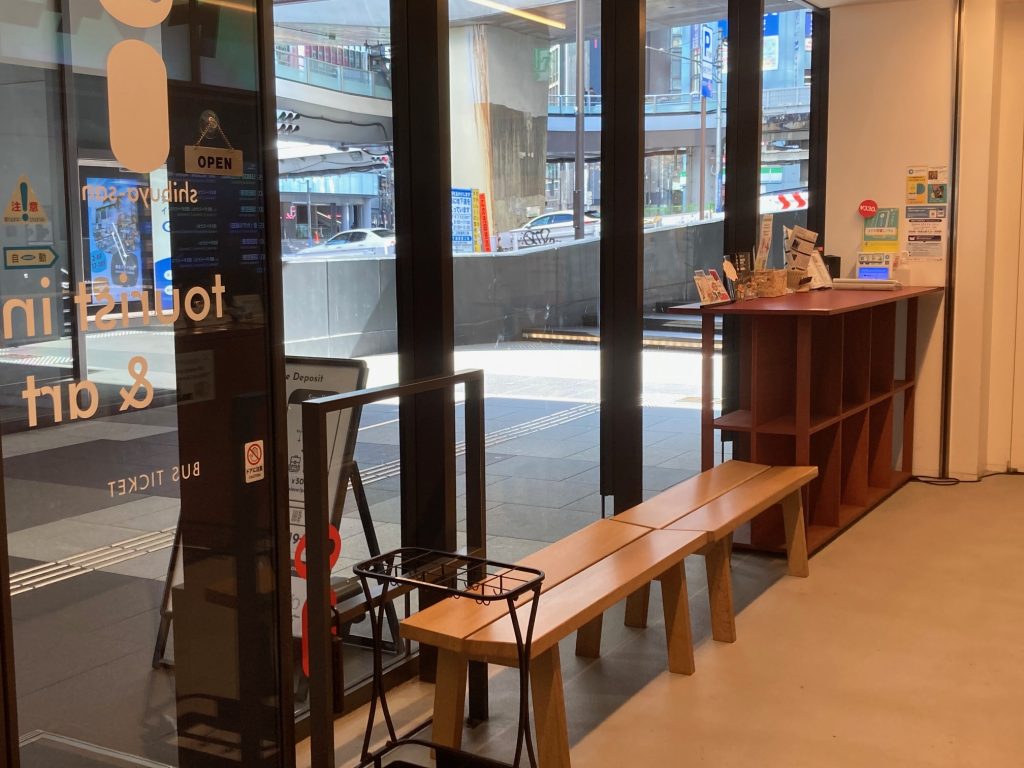
Right in front of us as we got off the bus was the shibuya-san tourist information center. Opening hours: 10:00–20:00.
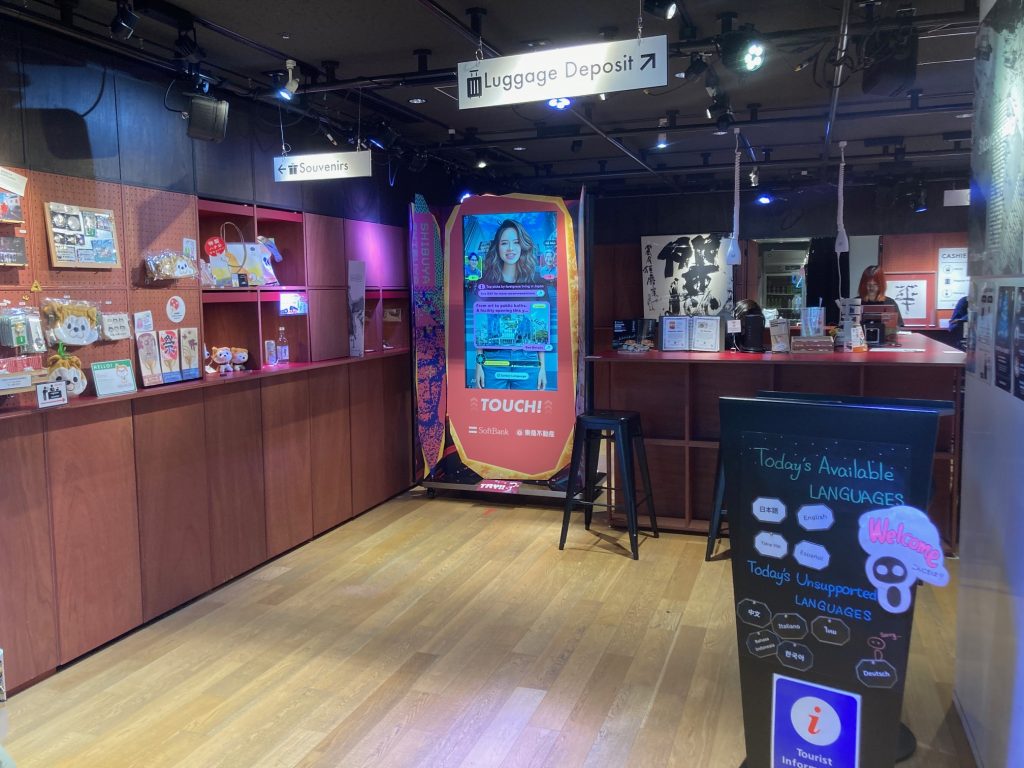
It appears to offer a wide range of visitor services, including luggage storage, a currency exchange machine, tourist information (with multilingual staff apparently on duty), Wi-Fi rental, phone charging, and tickets for highway buses and other services.
And there was a Starbucks next door—what a nice surprise!
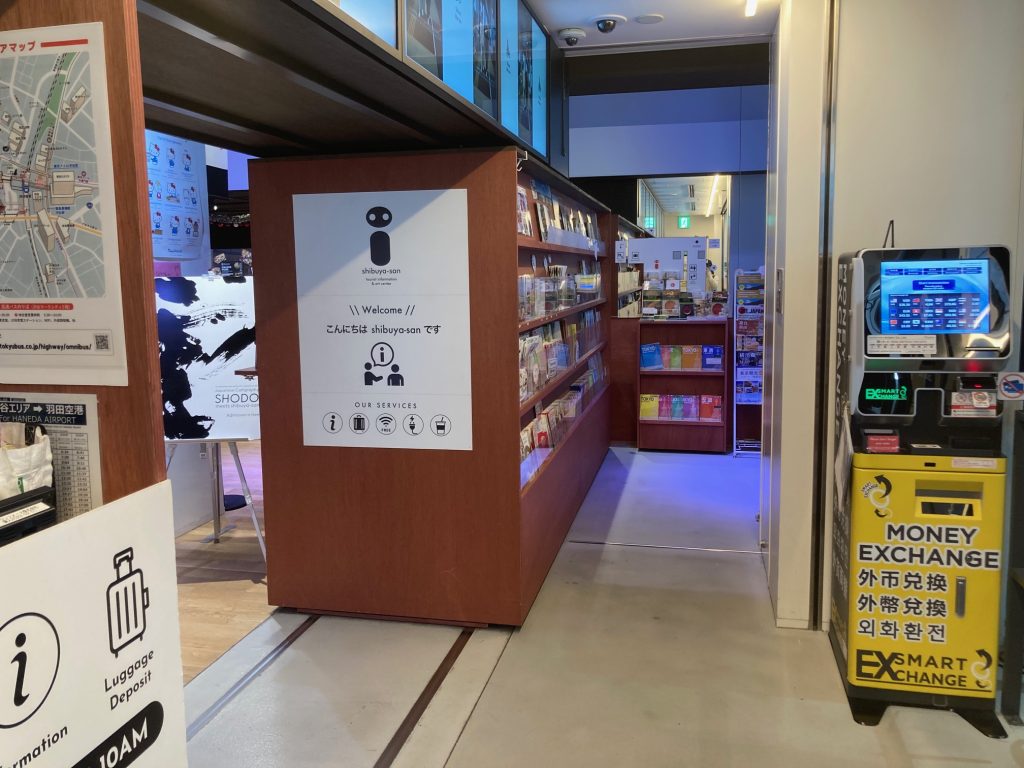
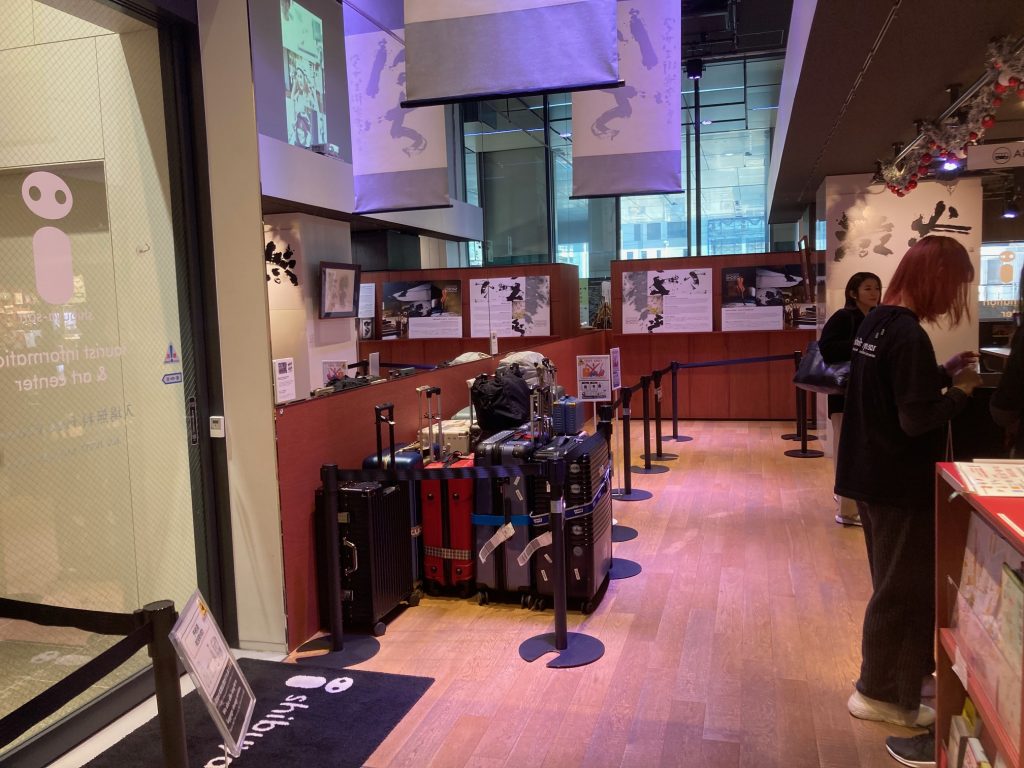
Farther inside the tourist information center was a café area, next to which I saw lots of suitcases. Many visitors seemed to be using the luggage storage service. It’s convenient to leave a large suitcase behind and explore Shibuya without being weighed down!
Staff who speak English and other languages seem to be available, so it was easy to ask for advice.
It was still a long time until hotel check-in, so we decided to ask for recommendations at the warm, heated tourist information center, which also had a place to sit and relax.
*The following account is based on a visit in December 2024. Please see the latest information later in this article for current details.
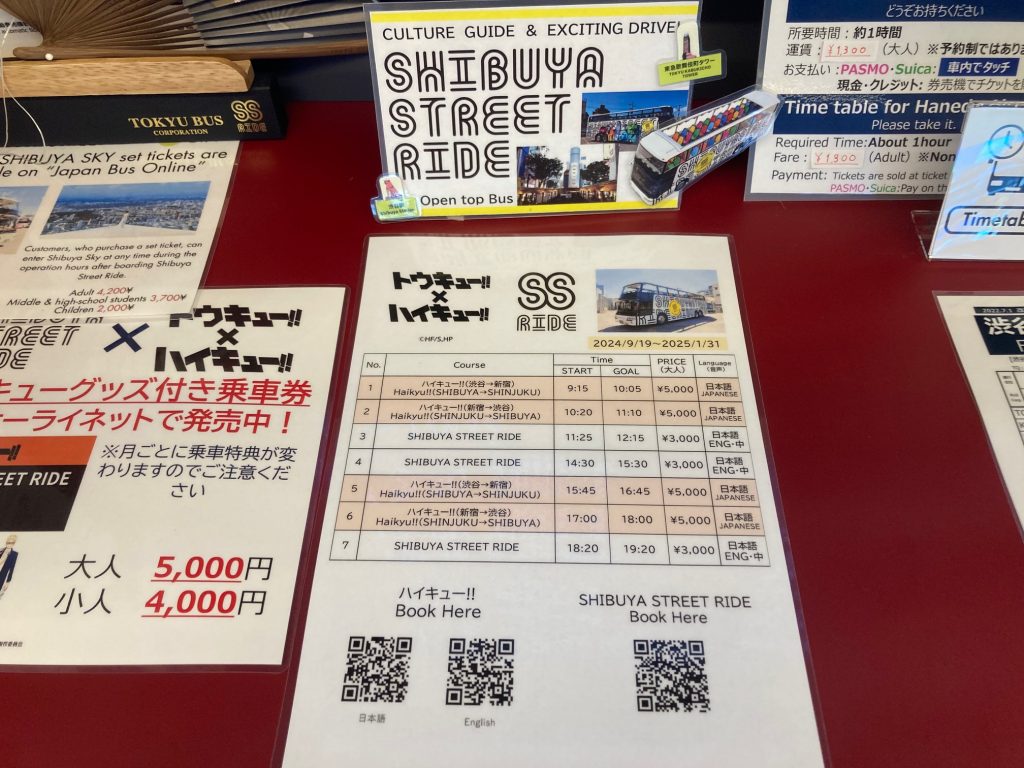
They suggested sightseeing on the open-top bus tour “SHIBUYA STREET RIDE”! It’s something everyone, from children to older adults, can enjoy, and a great way to get an overview of unfamiliar Shibuya!
Even better, it departed from Shibuya Fukuras Bus Terminal, where we already were! And the 11:25 departure was perfect. We had to try it! (This was the schedule in December 2024. Check “Latest Information” below for the current timetable.)
So we left our luggage at the tourist information center and bought tickets right away!
SHIBUYA STREET RIDE tickets are cheaper online than at the ticket machine, so I recommend booking online! → Visit the official website
The helpful counter staff explained this to us, and there was even a QR code linking to the website on the counter, as shown in the photo. Of course, tickets can also be purchased at the machine.
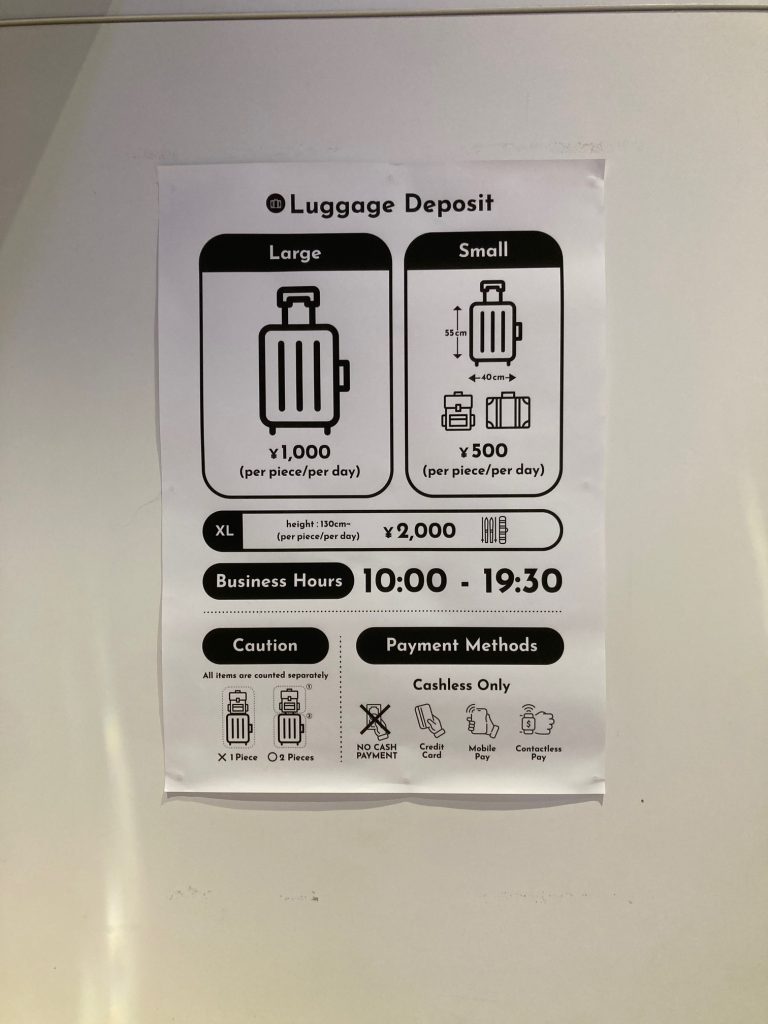
The photo on the right shows the luggage storage fees. Lots of people were leaving their bags here.
Luggage storage: 10:00–19:30
Standard: ¥1,000 / Oversized: ¥2,000 (per day)
*Items 130 cm or taller are charged the oversized rate.

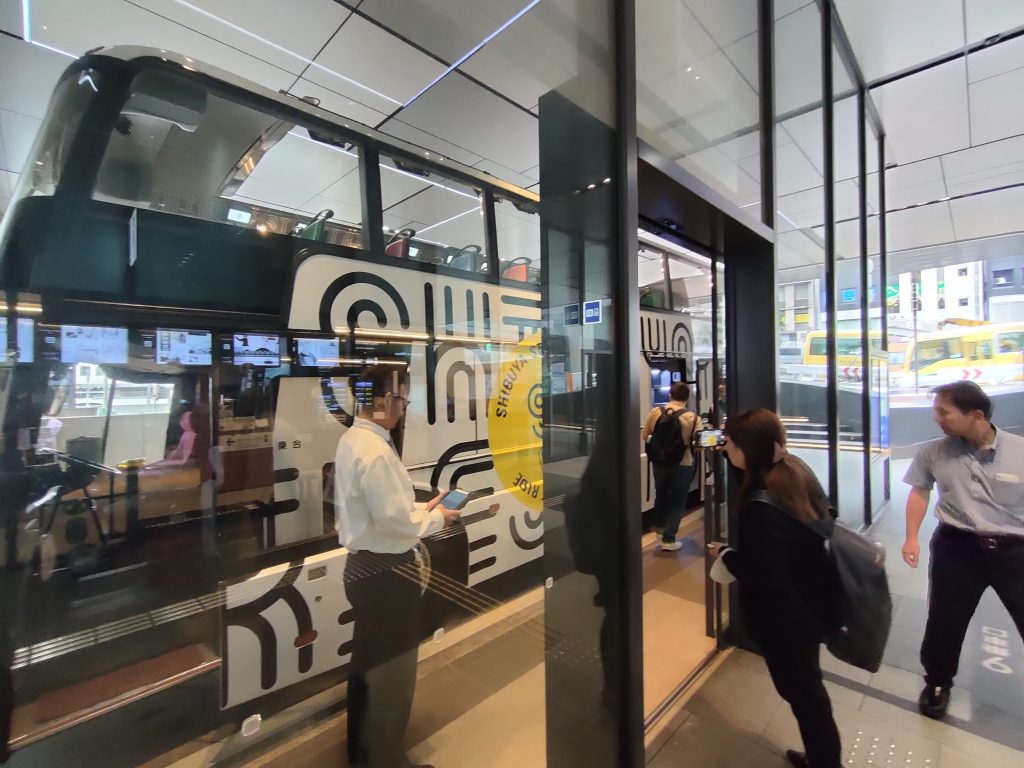
Around 11:00 a.m.
The brightly colored open-top bus pulled in, looking exciting even before we boarded.
I took the opportunity to snap a few souvenir photos of the bus from different angles.
Then we showed our tickets to the staff and hopped aboard!
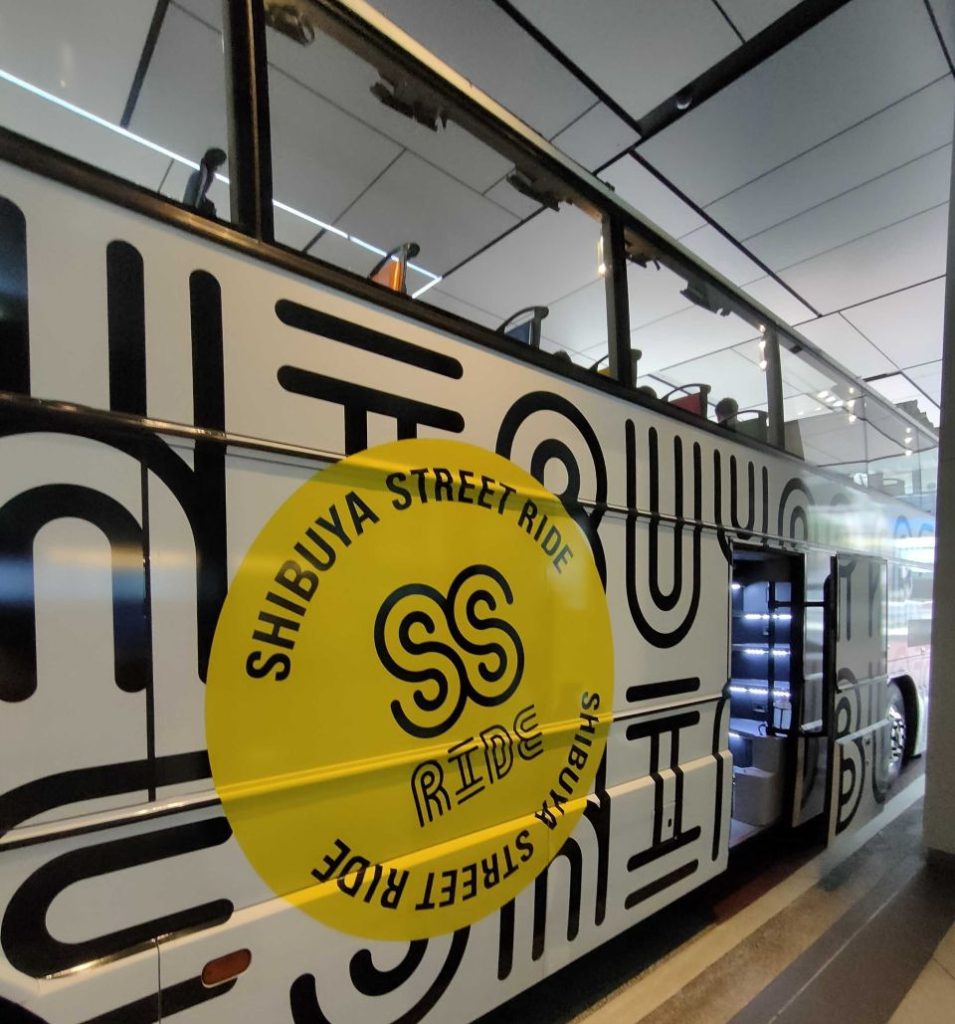
11:25 a.m.
Off we went to explore Shibuya! After a long overnight journey, we’d finally arrived in one of Japan’s best-known entertainment and shopping districts.
Shibuya is famous for its Scramble Crossing and Hachiko statue, but riding the open-top “SHIBUYA STREET RIDE” bus is a special opportunity to get a feel for the whole neighborhood.
It makes exploring Shibuya on foot afterward even more enjoyable, and it’s fun for the whole family.
Best of all, you can enjoy the sights while sitting comfortably—a welcome break after a long trip.
After about an hour enjoying views of Shibuya Scramble Crossing, Harajuku, Takeshita Street, Jingu Gaien, the National Stadium, Omotesando, and more from the upper deck, we returned to Shibuya Fukuras Bus Terminal.
Another perk: SHIBUYA STREET RIDE passengers receive an exclusive walking guide highlighting Shibuya’s attractions, so you can continue exploring with your smartphone after getting off the bus!
We took a daytime tour, but the evening departure (18:20) apparently offered a leisurely view of Omotesando’s winter illuminations from the open upper deck. I’d love to try the night tour next time.
(*This information dates from December 2024. The current evening service is the 18:10 “Metropolitan Expressway Night Drive,” featuring nighttime views of Tokyo Tower and other sights.)
Around 12:30 p.m.
We arrived back at Shibuya Fukuras Bus Terminal.
What should we have for our first lunch in Japan? Time to ask the tourist information staff again!
Our exciting journey through Japan had begun!
Latest Information: SHIBUYA STREET RIDE (as of October 2026)
Since our visit, new routes have been added. In addition to the Shibuya sightseeing loop, services now connect Shibuya with Shinjuku/Kabukicho and offer an evening expressway tour.
| Route | Description | Departure Time |
|---|---|---|
| SHIBUYA DISCOVERY ROUTE | Loop through Shibuya, Harajuku, Jingu Gaien, and Omotesando | 10:50/16:45 |
| SHINJUKU CONNECTED ROUTE | Shibuya → Tokyu Kabukicho Tower (Shinjuku) | 14:00 |
| SHIBUYA CONNECTED ROUTE | Tokyu Kabukicho Tower (Shinjuku) → Shibuya | 9:40/15:20 |
| Metropolitan Expressway Night Drive | Night views of Scramble Crossing, Tokyo Tower, and more | 18:10 |
-
Fares (Adult / Child):
• Online advance-payment discount: ¥2,000 / ¥1,000
• Regular fare: ¥3,000 / ¥1,500
• Super Price Sale: ¥1,000 / ¥500 (for SHINJUKU CONNECTED ROUTE and SHIBUYA CONNECTED ROUTE)
*Super Price Sale seats are limited. Check the official website for current fares and availability. - Operating Days:Wednesday–Sunday and public holidays (operates on selected dates; check the service calendar)
- Boarding Location:Shibuya Station (Shibuya Fukuras), Bus Stop 9 / Tokyu Kabukicho Tower, Bus Stop 1
- Reservations:Book in advance through Hassha Orai Net (registration required). If seats are available on the day, you can board without a reservation and pay by cash or credit card.
- Perks:Includes a digital walking guide. Combination tickets with SHIBUYA SKY are also available.
- Important Notes:The upper deck is open to the elements, so bring sun protection or warm clothing as appropriate. In rainy weather, the roof may be closed (complimentary rain gear is available). There is no restroom on board.
▶ For the latest departure times, fares, and operating dates, check the official website.
What Is Shibuya Like?
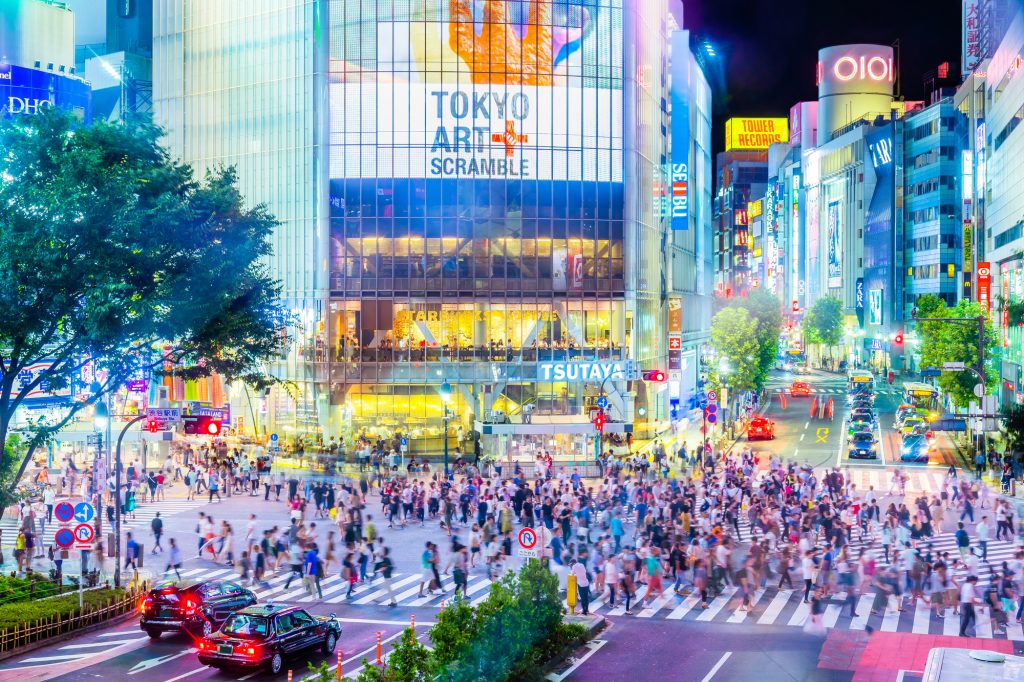
Shibuya is one of Tokyo’s most popular destinations for international visitors. Beyond landmarks such as Scramble Crossing and the Hachiko statue, it’s known for shopping, dining, and cutting-edge culture.
The bustling district spreads out around one of Tokyo’s major transport hubs, and its energy and dynamism are part of Shibuya’s appeal.
Like Times Square in New York, Piccadilly Circus in London, or Siam in Bangkok, Shibuya is also a trendsetting center for youth fashion and culture.
What Are the Most Popular Attractions Near Shibuya Station and the Bus Terminal?
Shibuya Scramble Crossing: This world-famous intersection is a popular photo spot for visitors.
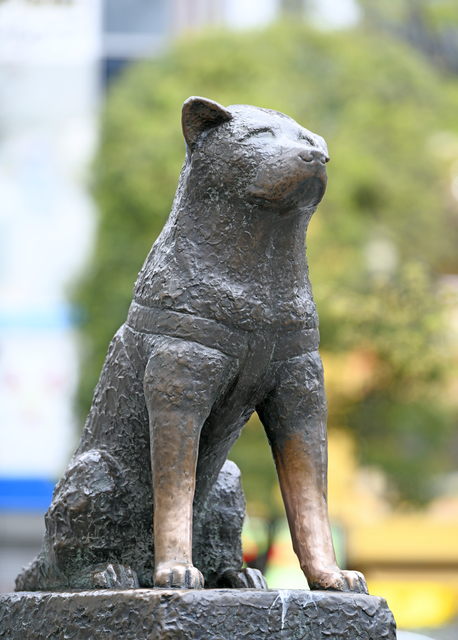
Hachiko: A symbol of loyalty and love, Hachiko’s story is known around the world, not just in Japan.
SHIBUYA109: A hub of Japanese fashion where you can discover the latest trends.
SHIBUYA SKY: An observation attraction approximately 229 meters above ground. Its rooftop observation area offers sweeping views of Tokyo, and on clear days you can even see Mount Fuji.
SHIBUYA STREET RIDE: A scheduled sightseeing tour on a double-decker open-top bus through Shibuya and the surrounding area.

When you arrive in Japan, why not head to Shibuya first and start exploring Tokyo?
Details of the Highway Bus (Airport Limousine Bus) from Narita Airport to Shibuya
Details of the Highway Bus (Airport Limousine Bus) from Haneda Airport to Shibuya
For Luggage Storage and Tourist Information in Shibuya: shibuya-san
How to Get from Shibuya to Shinjuku, Ikebukuro, and Shinagawa
You can easily reach Shinjuku, Ikebukuro, Shinagawa, and other areas from Shibuya by train.
From JR Shibuya Station to JR Shinjuku Station
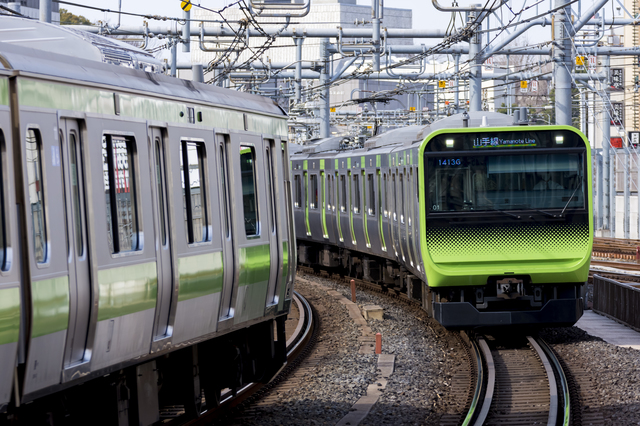
Platform 1: Yamanote Line (outer loop), 7 minutes
Platform 3: Saikyo Line or Shonan-Shinjuku Line, 5 minutes
From Shibuya Subway Station to Shinjuku-sanchome Station
Tokyo Metro Fukutoshin Line, 6 minutes
From JR Shibuya Station to JR Ikebukuro Station
Platform 1: Yamanote Line (outer loop), 16 minutes
Platform 3: Saikyo Line or Shonan-Shinjuku Line, 11 minutes
From Shibuya Subway Station to Ikebukuro Subway Station
Tokyo Metro Fukutoshin Line, 12 minutes
From JR Shibuya Station to JR Shinagawa Station
Platform 2: Yamanote Line (inner loop), approximately 13 minutes
Written by Hidetomo Takahashi | Certified General Tour Itinerary Manager / Domestic Travel Services Manager
With cooperation from: Tokyu Bus Corporation